Kigi CLI
A Rust coding agent that turns one objective into a graph of verified work.
Kigi is a coding agent that lives in the terminal. It reads the repository, writes the patch, runs the tests, and keeps going while you do something else. It runs three ways with one configuration: a full-screen terminal interface, a headless mode for CI where one prompt goes in and one answer comes out, and a dock inside any editor that speaks the Agent Client Protocol. I have led it as CEO since June 2026; it is an independent open-source project.
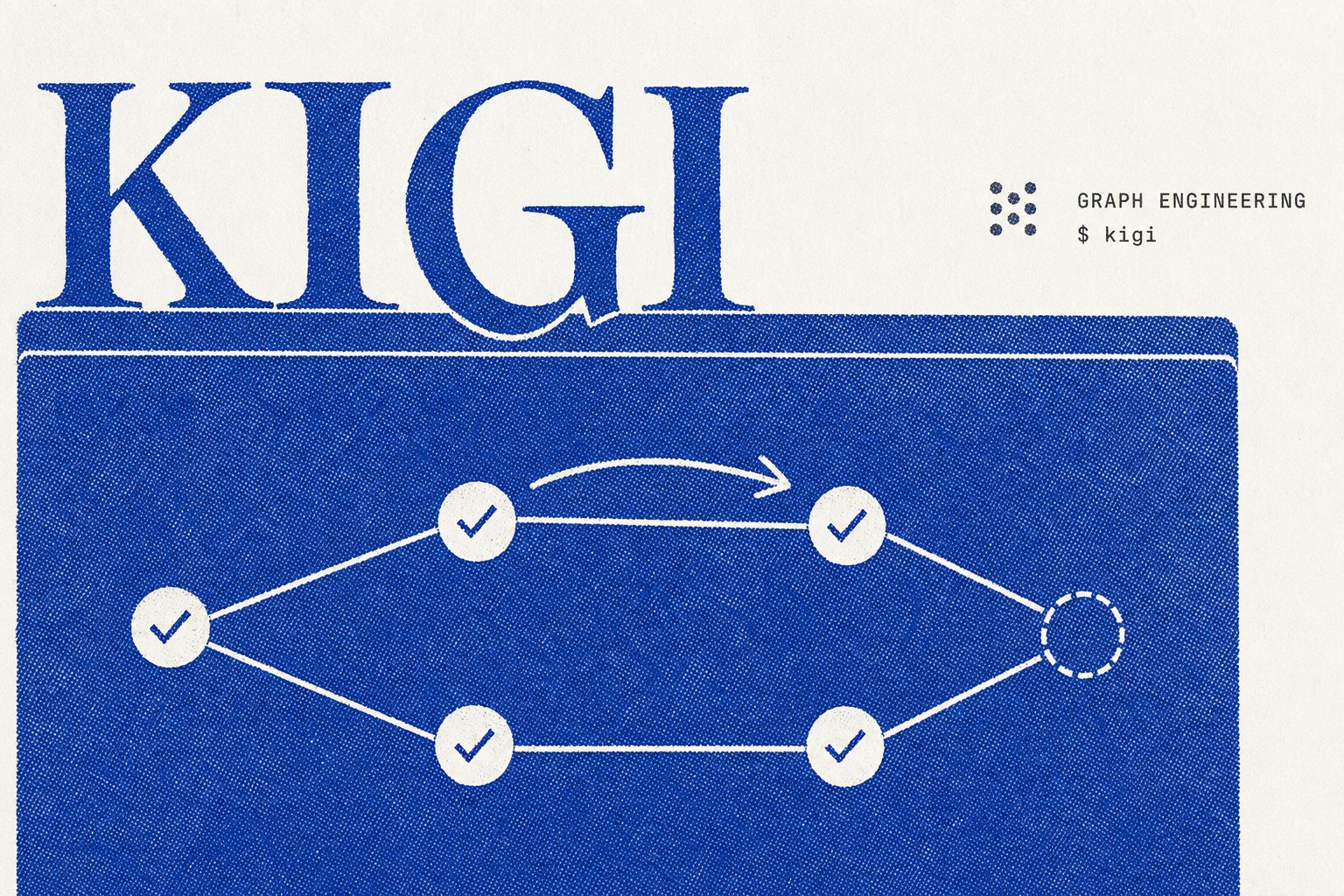
Most agents run one loop: think, act, repeat. The /graph command runs a dependency graph instead. A planner breaks the objective into a DAG and validates it before anything runs. Nodes that do not block each other run at the same time, each worker in its own git worktree, so no two workers share a working directory. Nothing merges until an adversarial verifier has tried to break it, and a final node re-checks the whole objective before the run may call itself done.

Real codebases surprise the plan. A worker that finds work outside its scope flags it with DISCOVERED: and the graph grows to cover it; the plan is append-only, so agreed work is never rewritten. Between passes a topology optimizer drops dependencies that were never real. The state lives in .kigi/graph.jsonl next to the code. Close the laptop, come back tomorrow, run /graph resume, or hand the repository to a teammate, who resumes the same run from the same file.
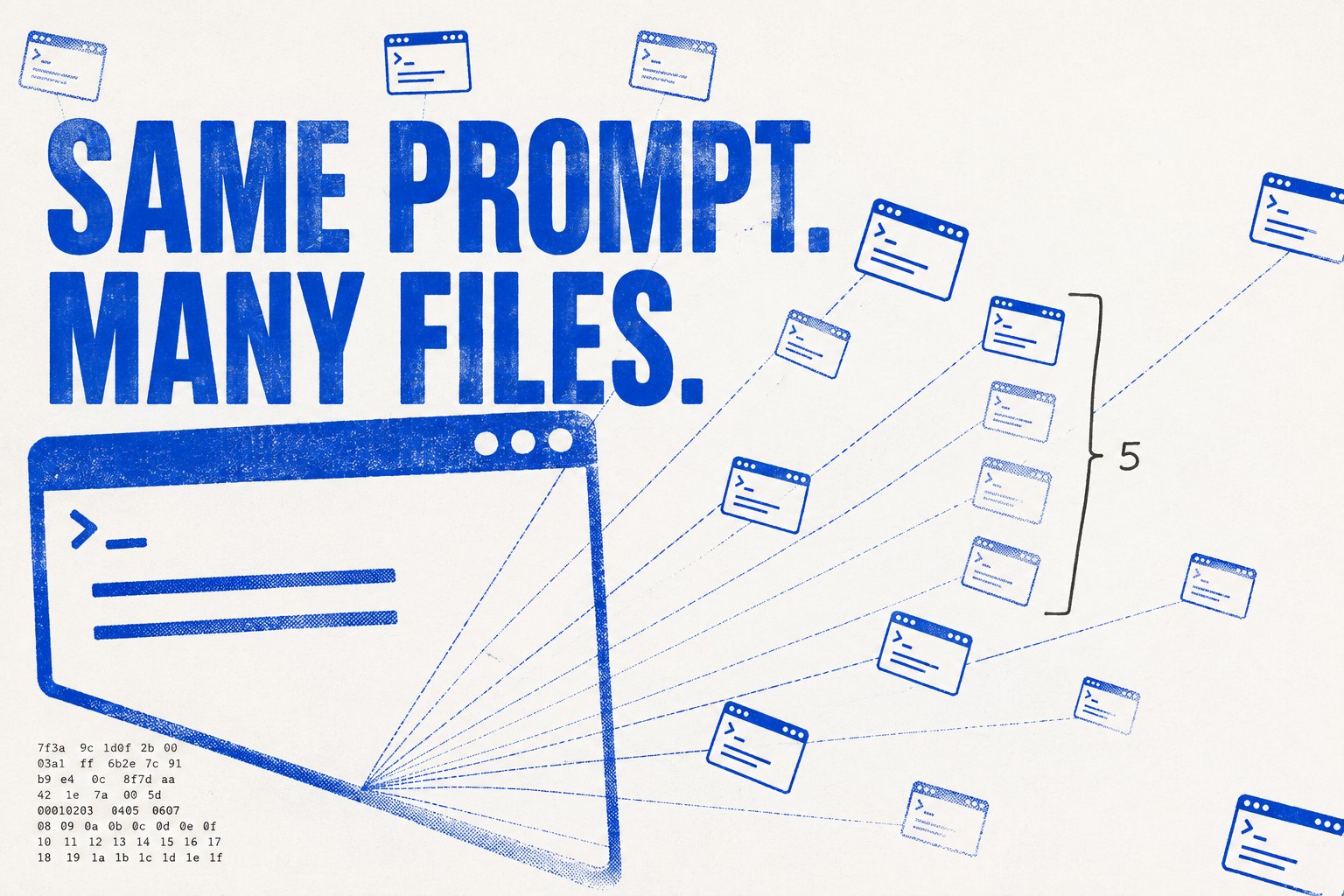
For breadth there is /swarm. One prompt template with an {{item}} slot and a list fan out across up to 128 subagents, each with its own files. Five start at once and the rest follow every 700 milliseconds; when a provider rate-limits, the fleet shrinks instead of failing and grows back as the window clears. A graph plans dependencies and verifies each node. A swarm is one instruction over many items.
Twenty-nine platforms are compiled in. Five sign in with a subscription you already pay for, no API key and no second bill: Kimi Code, Claude Pro and Max, ChatGPT Plus and Pro through Codex, GitHub Copilot, and xAI Grok. Twenty-four more take an API key, from OpenAI and Anthropic to DeepSeek, Moonshot, and MiniMax. Model lists sync at sign-in, so new models appear without an update; ChatGPT through Codex is the exception, its four models compiled in because that backend publishes no model endpoint. Each provider's token is stored under its own key and is never sent to another provider.
Kigi has no analytics endpoint. It talks to the APIs you configured, its release server, and your own MCP servers, nothing else. The code is Apache 2.0; the project began as a community fork of xai-org/grok-build and is not affiliated with Moonshot AI or xAI. It keeps its own binary, its own ~/.kigi, and its own environment variables, and never touches an installed official Kimi CLI. Install is one file with no runtime, checksummed against the release, for macOS and Linux on arm64 and x86_64 and for Windows on x86_64.